
StoryBreak
U.S.
California adopts strict wildfire landscaping rules for homes in high-risk areas
California has approved new “Zone 0” wildfire regulations requiring homeowners in designated fire-risk areas to reduce vegetation and combustible materials immediately around their homes. The rules are designed to limit the chance that windblown embers will ignite structures.
Published 8/20/2026, 3:24:51 AM
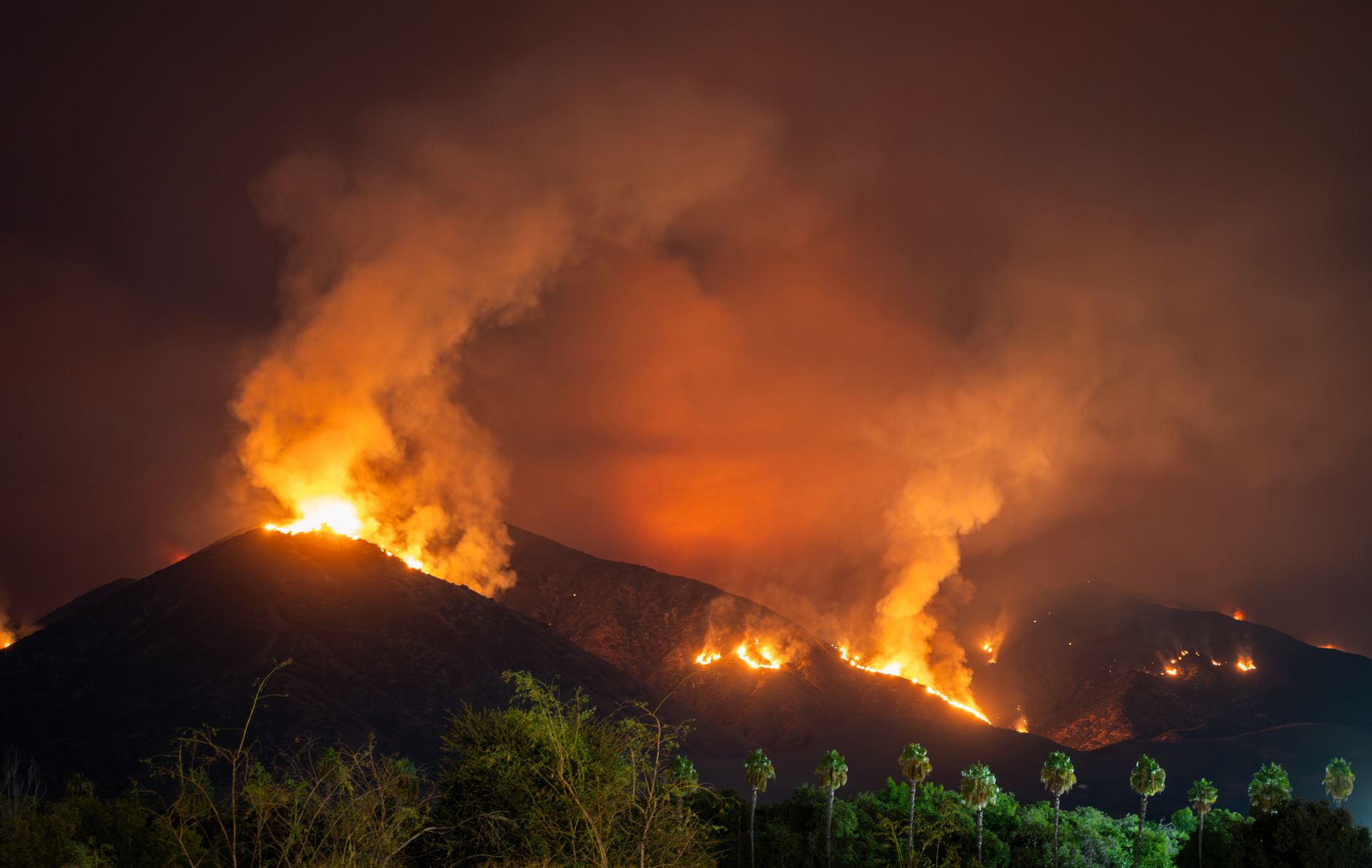
California has approved some of the nation’s most stringent wildfire landscaping requirements, directing homeowners in high-risk areas to create an ember-resistant buffer around their homes and other structures.
The regulations, known as “Zone 0,” focus on the first five feet surrounding a building. They restrict or eliminate materials that can catch fire from windblown embers, including certain vegetation, mulch and other combustible items commonly found in residential landscaping.
The California Board of Forestry and Fire Protection approved the rules on Wednesday, August 19, after years of delays, public meetings and debate over how far the state should go in regulating private property. The requirements apply in California’s State Responsibility Area and in very high fire hazard severity zones overseen by local governments.
For new construction, compliance will be required when the rules take effect. Existing homeowners will receive additional time to make changes, with implementation phased over several years. Local jurisdictions will have a role in setting timelines for completing some requirements.
The rules address a key feature of California wildfires: embers can travel ahead of a fire front and ignite plants, furniture, fences, mulch, wood piles and other materials next to a home. Once those items catch fire, flames can spread to siding, decks, eaves or windows.
State fire officials already divide defensible space into three areas. Zone 0 covers the immediate five-foot perimeter. Zone 1 extends from five to 30 feet, where residents must manage vegetation, remove debris and maintain separation between plants. Zone 2 extends from 30 to 100 feet and is intended to reduce fuel continuity through pruning, mowing and spacing.
California’s existing defensible-space rules generally require up to 100 feet of clearance or fuel modification around structures in covered areas. The new regulation adds more detailed requirements closest to the building, where embers and small combustible materials can pose an immediate ignition threat.
CAL FIRE guidance recommends using noncombustible materials such as gravel, pavers or concrete near structures instead of combustible bark or mulch. It also advises residents to remove dead vegetation and debris from roofs, gutters, decks and porches; keep firewood away from homes; and limit combustible furniture and planters on decks.
The rules stem from legislation enacted after a series of deadly and destructive California wildfires. Assembly Bill 3074, passed in 2020, directed the state to establish an ember-resistant zone within five feet of structures. Senate Bill 504, enacted in 2024, further addressed the state’s defensible-space requirements.
Officials say the changes are intended to improve the odds that homes will withstand wildfire exposure and to make neighborhoods safer for firefighters. But the rules are likely to create significant costs and practical challenges for homeowners, particularly those with mature landscaping, wood fencing or limited access to contractors.
The precise effect on individual properties will depend on their location, the applicable fire hazard designation and guidance from local authorities. Homeowners in affected areas should check with their local fire agency or building department before removing trees or redesigning landscaping, since some plants and structural features may be treated differently under the final standards.